Posts

Showing posts with the label clay country

Exploring Clay Country
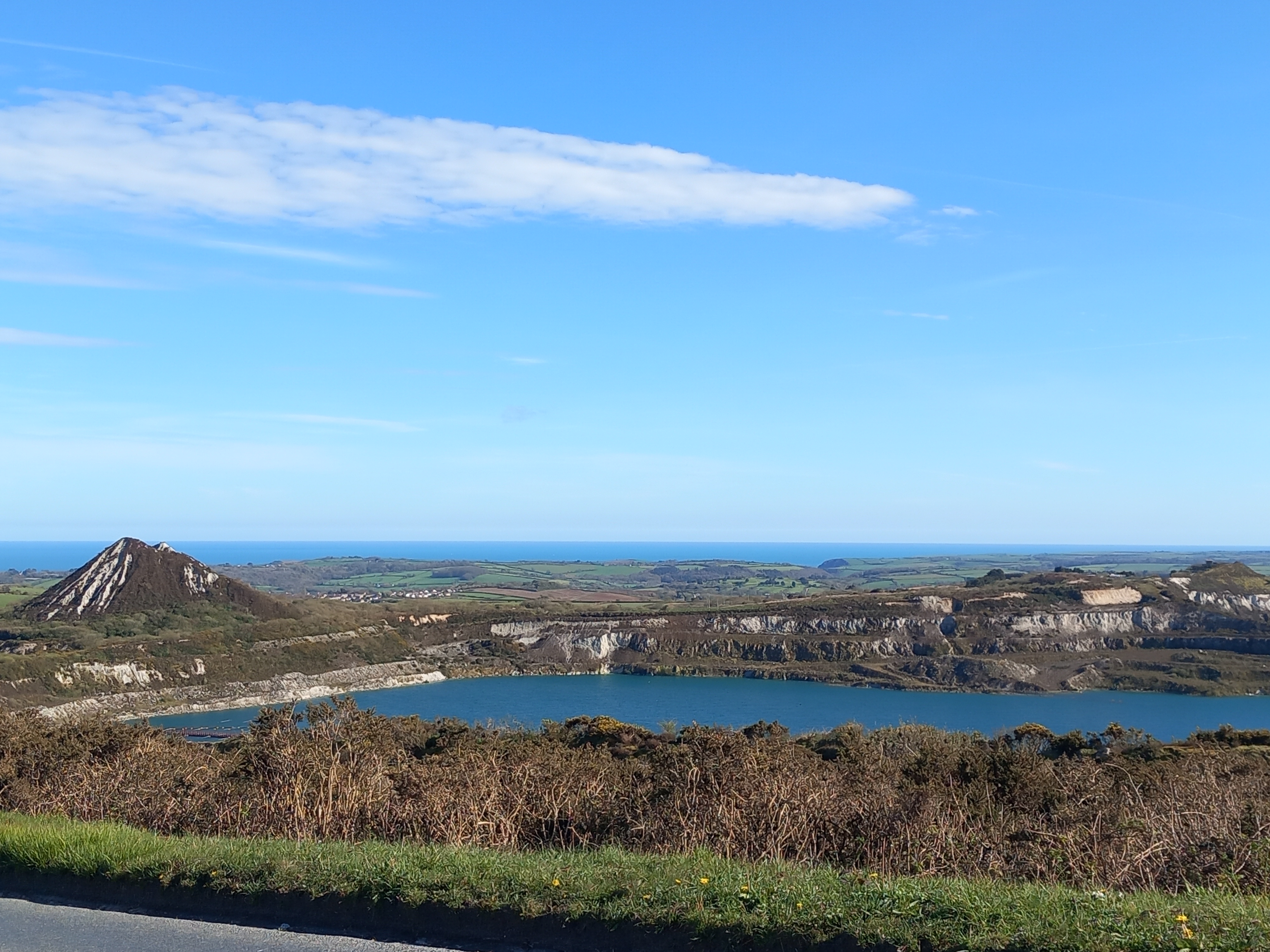
Image
What we refer to as 'clay country' in Cornwall is the rugged landscapes that sits above St Austell. A landscape that has been mined and carved since the early 18th century. The richness of this landscape was discovered by William Cookworthy, and the fine white china clay is still mined today. There's a hotchpotch of villages with tight-nit communities where rugged hills provide far-reaching views and dug out valleys provide pools of turquoise waters.  After a stunning drive through these villages on a sunny day I wanted to delve a little deeper into the history, and what you can do here. When we first moved to Cornwall over 20 years ago, my dad joked that the little clay mound seen from many vantage point was my mum's 'mountain'. She had always wanted to live near mountains, and it seemed finally she would be! This relatively little mound is part of the legacy of an industrial past, but it's the glistening water-filled pits that really catch the eye on a sun...

Rooted in Cornwall

Image
Amy Cooper Lucy Spink There is an exhibition currently showing at Wheal Martyn , running until December the 20th, that seeks to explore the idea of being 'rooted'. Posing the question of what that means in Cornwall, and in particular, looking at what these Cornish artist's emotional response was to the atmosphere and history of china clay. Bridget Macklin  The responses are varied, like Joe Fenwick's ceramic pills inspired by the use of ground China clay found in everything from paracetamol to aircraft engines. There is Paula Downing's ceramic response which borrows from the Cornish landscape, and Reece Ingram's characterful pieces and the lovely textures of Lucy Spink. Reece Ingram  Joe Fenwick Wilson Worth a visit I would say, most definitely. Entrance is included in the normal gallery admission and works are in the Roger Preston Gallery and dotted around the site.  Paula Downing

Relaxed Visits at Wheal Martyn

Image
I thought this was a brilliant idea when I first saw it, and it still feels worth sharing. Wheal Martyn Clay Works, near St Austell, has worked to make visits more welcoming for people who may prefer a quieter, less overwhelming museum experience. A calmer way to explore Wheal Martyn’s relaxed sessions are designed for adults and children who may find busy public spaces difficult, including autistic visitors, people with anxiety and anyone with sensory needs. They offer a chance to explore at a quieter pace, with hands-on objects, sensory-friendly activities and trails. The museum also has sensory bags, an easy-read guide, BSL clips and quiet places around its large outdoor site. Carers are admitted free, and sensory markers around the grounds highlight places that can be explored through sight, sound and touch. It is worth checking the current arrangements before travelling, as session dates and activities may change. Discover Cornw...

A Hidden Gem for Autumn

Image
    That nip is in the air and its official, October is here and we are feeling decidedly autumnal. I just love seeing the seasons change and as soon as the golden leaves turn I just can't wait to get to the woods. There are plenty to choose from, but a place where I always find peace is Luxulyan Valley and in particular the industrial heritage that is the Treffry viaduct. You can follow a circular route with iWalk Cornwall, they even have an app. The path I often take follows the old water way, down past the remains of what was an impressive waterwheel and along some very giant boulders! The viaduct that spans the valley was built in 1844 by Joesph (Austen) Treffry who had big ideas on developing the area. It was the most advanced engineering project in the western peninsula and carried both water and rail across the valley. For such a peaceful spot its hard to imagine it as a bustling industrial site but the traces of man-made feats are still visible, albeit cl...